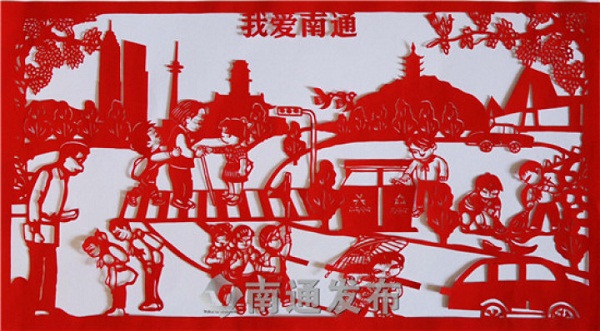
Nantong-Style Paper Cutting
Introduction
Nantong-style paper cutting is a traditional form of Chinese art originating from Nantong, a coastal city in Jiangsu province, China. Known for its intricate designs and cultural significance, it was recognized as part of Nantong's intangible cultural heritage in 2010. This craft has been passed down through generations, contributing to the preservation and evolution of Chinese folk art.
Historical Background
The history of paper cutting in Nantong is deeply rooted in the city's culture. Over the centuries, this art form has evolved, reflecting the social and cultural changes of the region. Nantong-style paper cutting is characterized by its elaborate and precise designs, often depicting scenes from daily life, folklore, and nature. The inclusion of this craft in the list of intangible cultural heritage items highlights its importance and the need for its preservation.
Artistic Characteristics
Nantong-style paper cutting is distinguished by its detailed patterns and the use of symbolic imagery. Artists often incorporate elements such as local landmarks, traditional Chinese virtues, and community life. For instance, scenes like school children interacting with their teachers or assisting the elderly are common themes, embodying values such as respect and community spirit. This art form is not only an aesthetic expression but also a medium for storytelling and cultural education.
Cultural Impact
The Nantong-style paper cutting not only serves as an artistic endeavor but also as a cultural ambassador for the city. It has gained recognition and appreciation beyond local and national boundaries, showcasing the rich cultural tapestry of Nantong. The art form's inclusion in cultural events and exhibitions has helped raise awareness and appreciation for this traditional craft, ensuring its continued relevance and survival.
Preservation and Innovation
Efforts to preserve Nantong-style paper cutting involve both safeguarding traditional techniques and encouraging innovation. Artists are exploring new themes, materials, and methods to keep the craft dynamic and appealing to younger generations. Educational programs and workshops are also being conducted to teach and inspire new artists, ensuring that the intricate skills and cultural knowledge associated with this craft are not lost.








